
Foam insulation
MANY POSSIBILITIES
Foam insulation with countless possibilities
Foam insulation can be used for a wide range of insulation tasks within the industrial sector, such as storage tanks, district heating pipes, pipes in the cooling industry, ships, industrial containers and many other places.
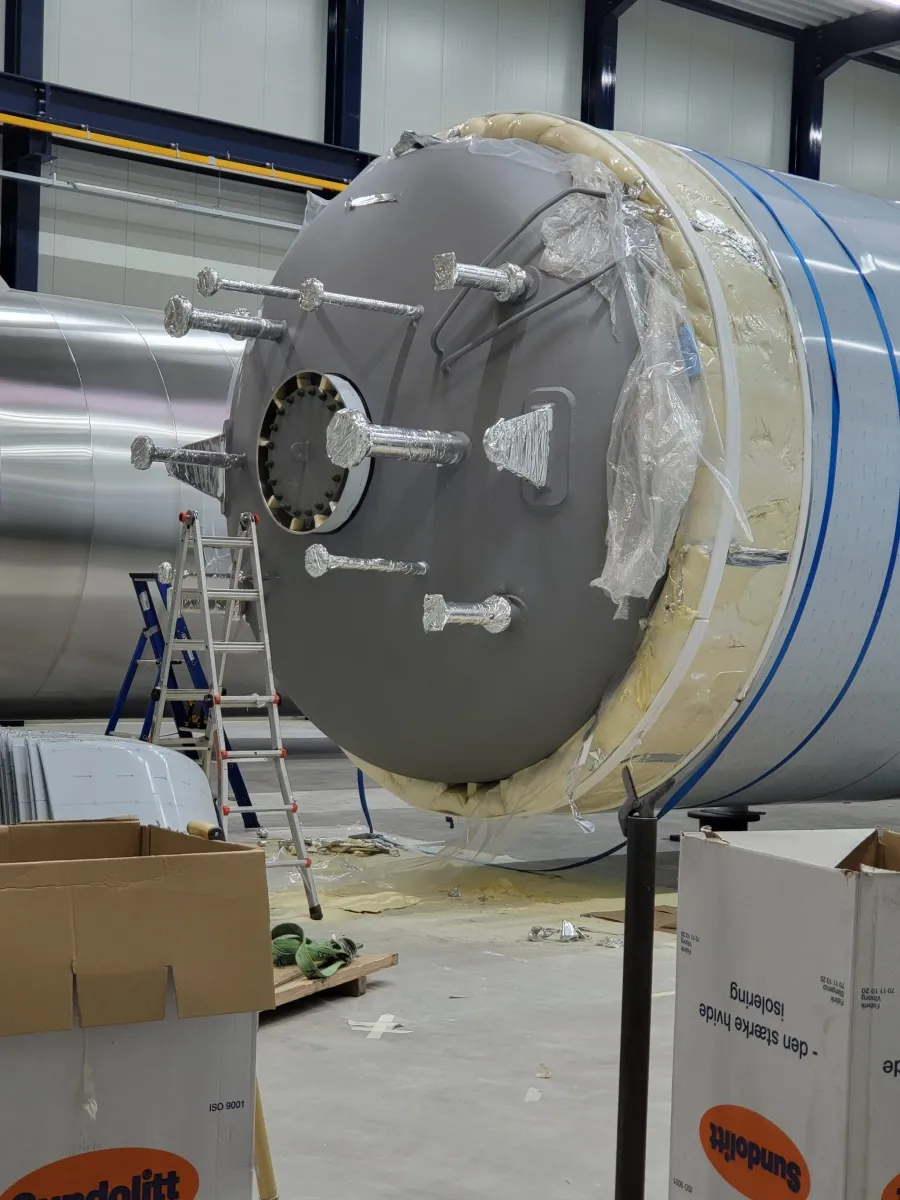
High thermal efficiency
Foam insulation has a low thermal conductivity, making it an effective solution for keeping the temperature constant, even under varying operating conditions.
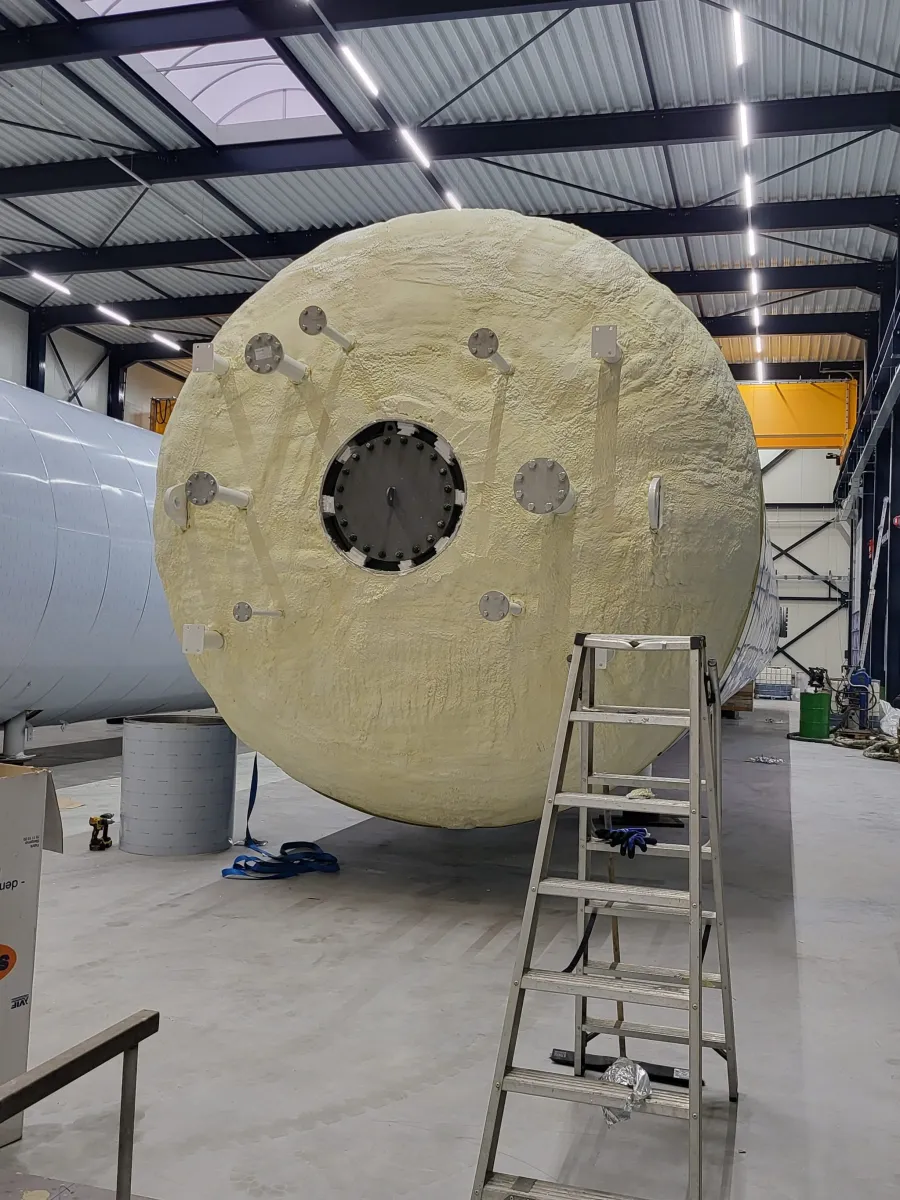
Moisture protection
This type of insulation is designed to prevent moisture ingress, reducing the risk of damage to equipment and structures. This is particularly important in industrial environments, where moisture can lead to operational disruptions.
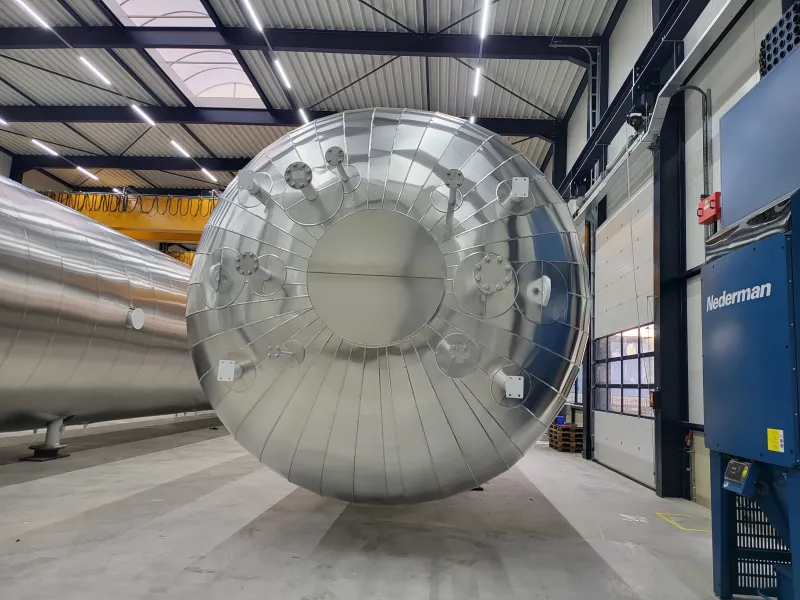
Lightweight and easy installation
Foam insulation is quick to install, meaning you can get insulation in place without disrupting your daily operations. It can be adapted to different shapes and surfaces, ensuring a good fit.
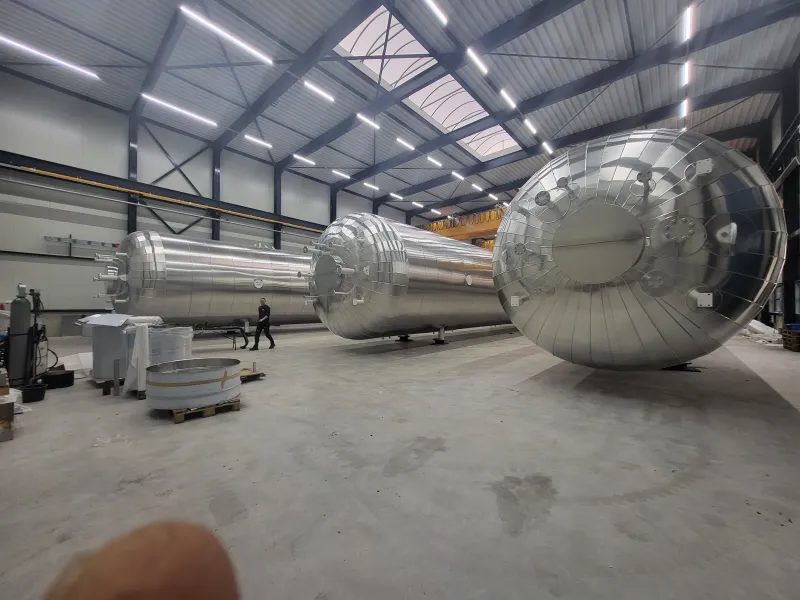
Long-lasting durability
Foam insulation is robust and resistant to extreme temperatures and chemical exposure, ensuring a long service life and reducing the need for maintenance.
What is foam insulation?
Foam insulation is a material that is sprayed onto surfaces to create a tight insulating barrier. It is often used in industrial environments for storage tanks, pipelines and production equipment, where stable temperatures are crucial for maintaining product quality and process integrity.
PIR and PUR insulation
Polyisocyanurate (PIR) and Polyurethane (PUR) are two effective and versatile insulation materials. Both materials belong to a broader family of foam plastic insulation and share some similar properties, but also have significant differences.
PIR insulation is an advanced development of PUR and is known for having improved chemical properties. This enhanced insulation capability makes PIR insulation ideal for situations where space is limited and maximum thermal efficiency is required.
Polyurethane (PUR) foam insulation is an effective and versatile solution for various insulation tasks within the industrial sector. This advanced insulation material has proven particularly suitable for a wide range of applications, including storage tanks, district heating pipes, pipes in the coal industry, ships, industrial containers, and many other locations.
Insulation with PUR foam
PUR foam is a versatile and high-performance insulation material that combines excellent thermal properties with structural adaptability. The material's cellular structure ensures low thermal conductivity, making it particularly effective for both heat and cold insulation.
One of foam insulation's most notable strengths is its ability to create a tight and precise insulation around complex structures. The material can be shaped to fit irregular surfaces such as pipes, tanks, and technical installations. This flexibility ensures uniform protection without thermal weaknesses, even in hard-to-reach areas.
Why use foam insulation?
Moisture resistance in PUR foam insulation
One of the main advantages of PUR insulation is its high resistance to moisture. This makes it ideal for use on cold installations and systems where the risk of condensation is high.
PUR has an almost waterproof structure, as the material's cellular structure consists of small, closed cells. These cells effectively prevent water vapor and moisture from penetrating the insulation material, protecting both the insulation and the underlying surfaces from damage.
When cold systems such as pipes, tanks, or cooling installations are exposed to warm and humid air, condensation forms on the cold surfaces. If the insulation is not moisture resistant, this condensation can seep into the material, which over time may lead to reduced insulation performance, mold growth, and corrosion on metal surfaces.
Foam insulation virtually eliminates this risk, as it acts as a barrier that keeps moisture away from the system.
The sustainable choice
Sustainability is a central factor in our approach to foam insulation. All types of insulation can contribute to improving the energy efficiency of buildings and systems and reducing CO2 emissions.
PUR insulation is one of the most effective insulation materials available and can achieve very high thermal performance with minimal insulation thickness.